Common Ailments Treated
- Migraines/Headaches
- Stress
- Back pain
- Pain relief
- Sinusitis
- Insomnia
- IBS
- Relaxation
- Enhanced sense of wellbeing
- Used as a conjunction to Western medicine
- Menopausal symptoms
- PMS
- Morning sickness/Nausea
- Breech Position in pregnancy
- and many more complicated or combined symptoms
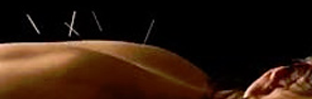
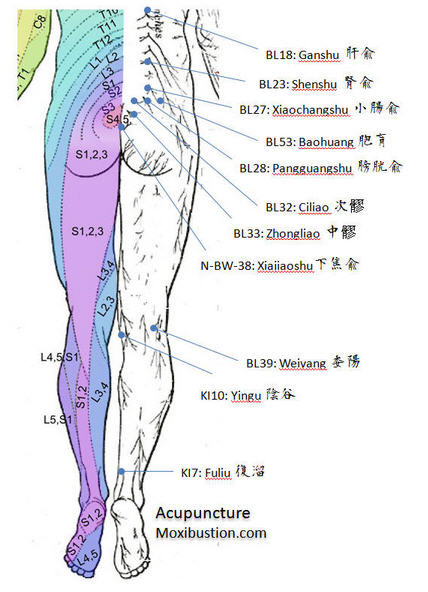
Acupuncture works by inserting very fine stainless steel needles into areas of the body known as acupuncture points which run along a network of channels known as meridians. All meridians run bilaterally along the body and have a sister/brother meridian which also run bilaterally along the body.

There are 12 main meridians and 8 extra meridians which run on their own and act like reservoirs of energy. The main 12 meridians all have a connection to the energy of the main organs and functions of the body.
Although all the acupuncture points have names, a numbering system also helps acupuncturists to have a universal language in locating such a vast number of points on the body as a whole. Points are located using anatomical landmarks and locations are made using cun otherwise known as anatomical Chinese inch.
Anxiety and Acupuncture
In the quarterly magazine of Anxiety UK, an article about 'Anxiety and Acupuncture'
Anxiety is more than just being anxious.
Just as migraine sufferers get righteously indignant when someone claims to be a fellow sufferer but can still get to work, eat and stand the daylight, so anxiety sufferers know that they bear only the slightest resemblance to people who feel a bit nervous or have 'butterflies in the tummy.' Clinical anxiety is a crippling affliction which can sometimes defy all of the medications and talking therapies that someone can throw at it.
Why, then, has acupuncture been found to be successful in treating it? The main reason is that in conventional medicine, there is no single treatment for each sufferer as each person has differing symptoms. However, in traditional acupuncture every patient is considered to be unique, and this means that the practitioners will be looking and listening very carefully to everything that the patient says to establish a diagnosis and find the specific keys to unlocking the patterns of the symptoms the patient is suffering.
They will aim to identify the imbalances which cause the symptoms of anxiety, not just treat the symptoms themselves. This whole 'package' taking the patient's individual story seriously and giving them time to tell it, trying to hone precisely the diagnosis, and selecting the optimum way to use the least needles to achieve the greatest effect - has been found to be very effective.
The theory of traditional acupuncture is very straightforward. The free flow and internal balance of energy (Qi) is seen in eastern medicine as essential for good health. Any prolonged exposure to extremes or intense situations, be they physical, mental, emotional or spiritual, will cause the flow and balance to be affected. This disruption in balance then ripples through the whole system, causing symptoms which sometimes bear little apparent relation to the underlying causes. An acupuncturist's skill lies in making sense of seemingly unconnected symptoms and understanding the unique nature of someone's energies in such a way as to restore balance. A treatment plan may simply involve needles and moxibustion, the use of a warming herb, and tui na, a form of traditional Chinese massage, but can extend to address issues in someones diet, their exercise patterns and their lifestyle.

People sometimes ask why, if acupuncture is so successful, there isn't much research to back up its claims and make it more freely available within conventional care. A major reason for this is the unique nature of treatment which resists putting people in pigeon holes and which changes as the person's balance begins to improve. Both of these confound attempts to organise research according to western models where a named condition receives a single treatment and all other variables are taken out of the equation. In Chinese medicine the variables are called patients!
Where do our patients with anxiety come from? Word of mouth still remains the most common and most reliable form of referral, and more people have had acupuncture than you think. If you ask around your support groups you are almost certain to find someone who has tried acupuncture and found that it works. Perhaps this time it's your turn!
People also usually want to know whether the treatment will 'stick', whether they have to keep on having acupuncture. Some don't: a single course of treatment can set them on a good path which, as long as their life remains well-balanced and relatively stress-free, means that they will stay anxiety-free. Many, though, like to keep 'tuned up', and realise that spending a fraction of what they spend on keeping their cars roadworthy keeps the driver in good shape too.
Acupuncture for Children
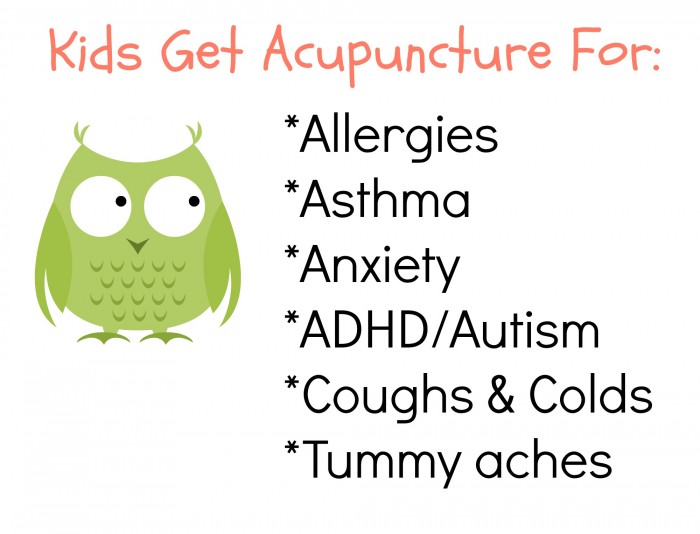
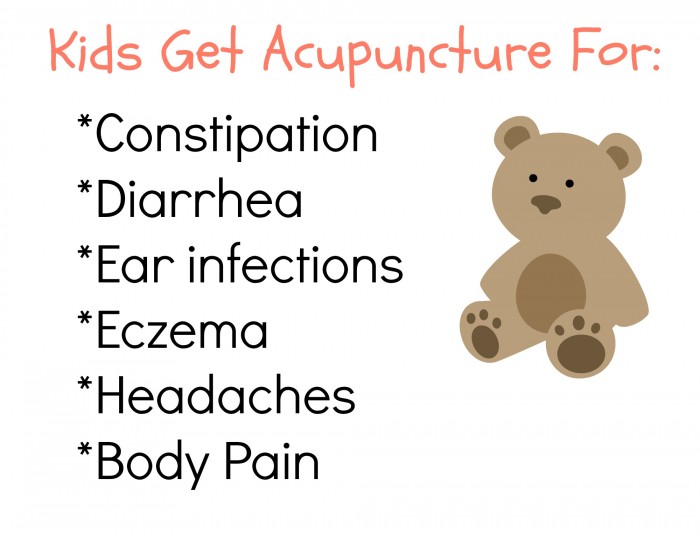
That’s why parents are turning to acupuncture because it offers a safe, natural and effective approach to pediatric care. It focuses on treating symptoms leading to a safe resolution of illness and preventing illness in the future by stimulating healing and restoring the body’s own resilience.
Modern acupuncture treatments are done using painless acupuncture and non-needle treatment techniques, so even children afraid of needles will find the treatments easy and painless.
In Chinese medicine we believe that each child is unique and we customize each treatment plan to the child’s individual needs.
Sometimes generic western treatments may not be able to adequately address the challenges faced by a child and parents may be told they’ll just “grow out of it.” No parent wants to accept such a fatalistic view when their child is suffering!
Parents may also be concerned about turning to powerful Western drugs which may have unwanted side effects, instead turning to other approaches such as acupuncture because it is less invasive and has no unwanted side effects.
Traditional Acupuncture
Does Acupuncture Hurt?
Acupuncture for kids is virtually painless. Paediatric acupuncturists are trained to use a special needling technique using needles so fine they are about the size of a strand of hair. For young children a rapid needling technique is used, where the needle is inserted and immediately taken out. Babies and children do not have to sit still for more than a few seconds at a time.
Even Babies Can Get Acupuncture!
Non-Needle Options are Available, Too. Paediatric acupuncturists understand that not every child will undergo acupuncture. A child is never forced to have acupuncture treatment and there are several other non-needle treatment techniques that your acupuncturist may use. They are easy, painless and have a similar therapeutic effect to acupuncture.
Acupuncture can also be used as an adjunct to conventional pediatric care.
Most acupuncturists offer well visits where they can address health issues before they become a major issue. Well visits allows the practitioner to address some of the deficiencies of conventional paediatric care such as nutritional counselling, attention to environmental toxins, emotional health and more. After the birth of a baby, guidance is provided for parents on all aspects of the baby’s care such as decisions regarding sleeping arrangements, support for breastfeeding mothers, treatment of common problems like colic and reflux.
What is a Treatment Like?
Treatments are customized to each child’s temperament and specific needs. All aspects of a child’s health are taken into consideration:
- Physical health: Digestion, sleep, energy, immune function
- Diet
- Environment & toxic load
- Emotional well-being After a through examination and discussion of the child’s health history and current complaint, one or more of the following treatment methods may be used:
- Herbal medicine
- Pediatric acupuncture
- Non-needle techniques
- Chinese pediatric massage
- Dietary modifications